Can Cats Eat Eggs? A Complete Guide to Benefits, Risks, and Feline Nutrition

Can Cats Eat Eggs? A Complete Guide to Benefits, Risks, and Feline Nutrition

Can Cats Eat Eggs? A Complete Guide to Benefits, Risks, and Feline Nutrition

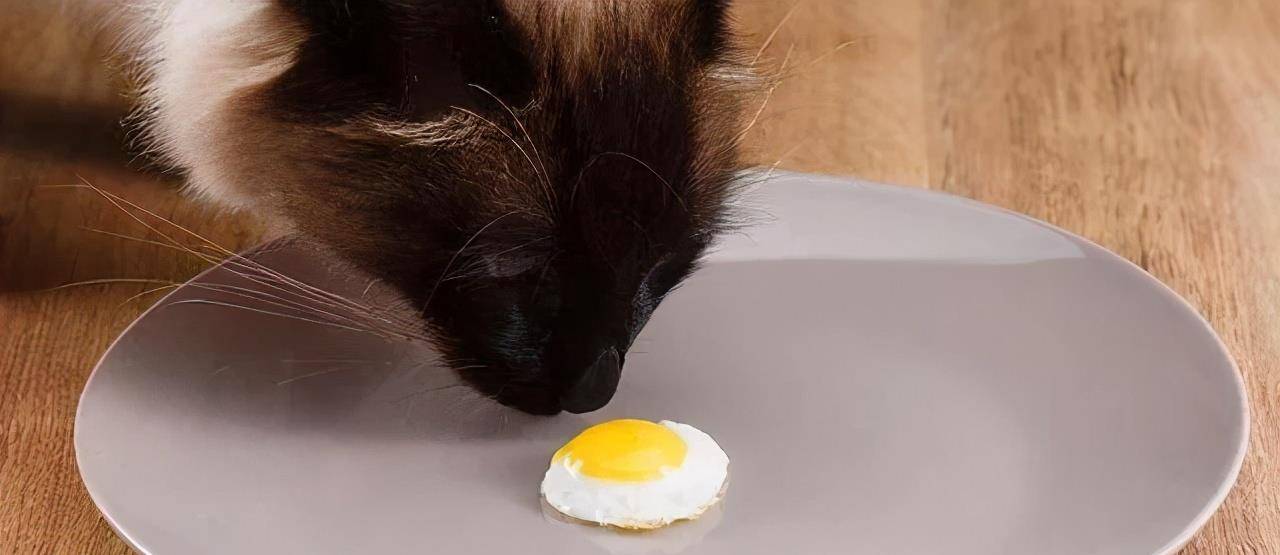
You’re whisking up a fresh batch of eggs for breakfast, and suddenly, you feel a pair of intense, unblinking eyes burning into your soul. Your cat is standing there, whiskers twitching, clearly convinced that whatever is in that bowl belongs to them. It’s a classic American kitchen scene. We love our protein, and naturally, we want to share the "good stuff" with our feline family members. But before you drop a piece of omelet on the floor, you need to know that while eggs are a nutritional powerhouse, the wrong preparation can turn a healthy treat into a digestive nightmare.

In the United States, pet obesity and digestive sensitivities are on the rise, with nearly 60% of cats classified as overweight according to the Association for Pet Obesity Prevention. Choosing the right "human food" toppers is more important than ever. Eggs can be a fantastic supplement for your cat's coat and energy, but only if you follow the rules of the feline kitchen. In this guide, we’ll break down exactly how to serve eggs safely and how to maintain that "egg-boosted" glow with professional-grade tools.

Can Cats Eat Eggs? Benefits, Risks, and Nutrition

Eggs are a high-quality protein source that can benefit your cat's health, but they must be served cooked, unseasoned, and in moderation to avoid health complications.

The Nutritional Breakdown: Why Eggs are a Feline Superfood

Cats are obligate carnivores, meaning their bodies are designed to process animal protein. Eggs are almost 100% bioavailable to cats, containing essential amino acids like taurine, which supports heart and eye health. The yolk is particularly prized for its high concentration of lecithin and omega-3 fatty acids. These nutrients work like a "natural conditioner" from the inside out.

To truly see the results of that lecithin-rich diet, using a cat self-groomer helps distribute the natural oils across the skin, preventing mats and giving that "fresh from the salon" look without the stress of a car ride.


The Dangers of Raw Eggs and "Chef" Seasonings

Raw eggs pose two major threats: Salmonella and Avidin. Salmonella can cause severe food poisoning, leading to vomiting and lethargy. Even more sneaky is Avidin, a protein in raw egg whites that binds to Biotin (Vitamin B7), preventing your cat from absorbing it. This leads to skin inflammation and hair loss—the exact opposite of what you want.

Key Fact: According to the CDC, raw eggs are a primary source of Salmonella outbreaks in U.S. households. Always cook eggs to an internal temperature of 160°F for safety.

Managing Portions: The 10% Rule

A single large egg contains 70-80 calories. For a typical 10-pound American house cat that needs about 200-250 calories a day, one whole egg is nearly a third of their intake. Veterinary nutritionists suggest that treats should make up no more than 10% of a cat’s daily caloric intake. This means a tablespoon of cooked egg once or twice a week is plenty.
4 Rules for Feeding Eggs to Kittens and Seniors

1. Age Matters: The 4-Week Milestone

Never feed eggs to kittens under four weeks old. Their digestive systems are strictly tuned for mother’s milk. For older kittens, a grooming brush for cat sessions paired with an egg yolk treat can help them bond with you and associate grooming with a high-value reward.

2. Focus on the Yolk for Beauty

The yolk contains fats and minerals that impact skin health. However, because yolks are high in fat, they are a "no-go" for cats with a history of pancreatitis.

3. Preparation: The "White Water" Method

The safest way to cook an egg is poaching or hard-boiling in plain water. Scrambling without oil is also acceptable. Always mash it into a fine paste to avoid choking hazards.

4. Watch for Allergies

When feeding for the first time, give a portion no larger than a fingernail. Watch for 24 hours for signs of itching or red ears.

Enhancing the "Egg Glow" with PawSwing

Feeding eggs provides the internal building blocks for a healthy coat, but external maintenance is what keeps a cat comfortable and your home fur-free. This is where the PawSwing cat self-groomer enters the picture as the perfect lifestyle partner for a nutrition-conscious owner.

The Synergy of Nutrition and Grooming

When your cat eats the healthy fats found in eggs, their skin produces more sebum—a natural oil. If this oil isn't distributed, it can lead to a "greasy" coat or skin flakes. A large cat self-grooming house station, like PawSwing, allows your cat to take charge of their own hygiene. As they rub against professional-grade bristles, they aren't just removing loose fur; they are massaging those egg-sourced nutrients through their coat.

Reducing the Need for Professional Grooming

Many American cats find the trip to a professional cat grooming facility terrifying. The loud blow-dryers and strange smells can cause immense stress. By providing high-quality nutrition (like occasional eggs) and a PawSwing cat self-groomer, you maintain a "show-cat" quality at home. The PawSwing's unique design mimics the licking action of a mother cat, providing a soothing experience that keeps the fur smooth and prevents the mats that usually require professional clippers.

A Solution for a Busy Entrepreneur

For the busy cat owner who values data-backed health, PawSwing is an automated efficiency tool. Just as you carefully measure your cat's egg intake to ensure longevity, the PawSwing ensures their physical comfort without requiring you to spend hours with a manual grooming brush for your cat. It’s the ultimate "passive" health benefit for your feline friend.

Comparison: Eggs vs. Commercial Treats

Nutrient Whole Egg (Cooked) Store-Bought Treats
Protein High / Natural Moderate / Processed
Lecithin High (Yolk) Low / Synthetic
Additives Zero High

Conclusion: The Secret to a Vibrant, Happy Cat

Eggs aren't just for Sunday brunch; they are a high-value, bioavailable supplement that can transform your cat's health when handled with care. By sticking to cooked, unseasoned portions and focusing on the nutrient-dense yolk, you're giving your cat a leg up on vitality. Just remember the golden rule: moderation is the key to avoiding a "fat cat" scenario.

To truly complete the cycle of care, pair this high-protein diet with a PawSwing cat self-groomer. While the eggs work from the inside to strengthen the fur, the PawSwing works from the outside to keep that fur pristine and mat-free. Your cat will feel better, look sharper, and appreciate the "friend" who knows exactly how to treat them like the royalty they are. Skip the salt, keep the yolk, and let your cat enjoy the crinkle of a hard-boiled shell—followed by a long, satisfying session at their grooming station.

FAQs

Can my cat eat eggshells?

Technically yes, but they are very sharp and can damage the throat. It is much safer to stick to the egg itself and rely on high-quality commercial food for calcium needs.

How often can I give my cat an egg?

Limit egg treats to once or twice a week. They should only be a "topper" or a snack, not a meal replacement.

What if my cat doesn't eat egg white?

That’s perfectly fine! Many cats find the texture of cooked egg white unappealing. Since the yolk contains the majority of nutrients like taurine and healthy fats, letting them just have a bit of the yolk is actually the better nutritional choice anyway.

Can eggs replace a meal if I run out of cat food?

No. Eggs lack several key minerals and vitamins (like specific ratios of calcium and phosphorus) that cats need to survive. A meal of just eggs is fine for a one-time emergency, but it cannot be a long-term replacement for balanced feline nutrition.

Does grooming help if my cat has an oily coat of eggs?

Yes! If your cat’s coat seems a bit "heavy" after starting egg supplements, a cat self-groomer is essential. It helps move those oils away from the skin and down the hair shaft, which prevents skin irritation and keeps the fur looking fluffy rather than flat.

Authority References:

You’re whisking up a fresh batch of eggs for breakfast, and suddenly, you feel a pair of intense, unblinking eyes burning into your soul. Your cat is standing there, whiskers twitching, clearly convinced that whatever is in that bowl belongs to them. It’s a classic American kitchen scene. We love our protein, and naturally, we want to share the "good stuff" with our feline family members. But before you drop a piece of omelet on the floor, you need to know that while eggs are a nutritional powerhouse, the wrong preparation can turn a healthy treat into a digestive nightmare.

In the United States, pet obesity and digestive sensitivities are on the rise, with nearly 60% of cats classified as overweight according to the Association for Pet Obesity Prevention. Choosing the right "human food" toppers is more important than ever. Eggs can be a fantastic supplement for your cat's coat and energy, but only if you follow the rules of the feline kitchen. In this guide, we’ll break down exactly how to serve eggs safely and how to maintain that "egg-boosted" glow with professional-grade tools.

Can Cats Eat Eggs? Benefits, Risks, and Nutrition

Eggs are a high-quality protein source that can benefit your cat's health, but they must be served cooked, unseasoned, and in moderation to avoid health complications.

The Nutritional Breakdown: Why Eggs are a Feline Superfood

Cats are obligate carnivores, meaning their bodies are designed to process animal protein. Eggs are almost 100% bioavailable to cats, containing essential amino acids like taurine, which supports heart and eye health. The yolk is particularly prized for its high concentration of lecithin and omega-3 fatty acids. These nutrients work like a "natural conditioner" from the inside out.

To truly see the results of that lecithin-rich diet, using a cat self-groomer helps distribute the natural oils across the skin, preventing mats and giving that "fresh from the salon" look without the stress of a car ride.


The Dangers of Raw Eggs and "Chef" Seasonings

Raw eggs pose two major threats: Salmonella and Avidin. Salmonella can cause severe food poisoning, leading to vomiting and lethargy. Even more sneaky is Avidin, a protein in raw egg whites that binds to Biotin (Vitamin B7), preventing your cat from absorbing it. This leads to skin inflammation and hair loss—the exact opposite of what you want.

Key Fact: According to the CDC, raw eggs are a primary source of Salmonella outbreaks in U.S. households. Always cook eggs to an internal temperature of 160°F for safety.

Managing Portions: The 10% Rule

A single large egg contains 70-80 calories. For a typical 10-pound American house cat that needs about 200-250 calories a day, one whole egg is nearly a third of their intake. Veterinary nutritionists suggest that treats should make up no more than 10% of a cat’s daily caloric intake. This means a tablespoon of cooked egg once or twice a week is plenty.

4 Rules for Feeding Eggs to Kittens and Seniors

1. Age Matters: The 4-Week Milestone

Never feed eggs to kittens under four weeks old. Their digestive systems are strictly tuned for mother’s milk. For older kittens, a grooming brush for cat sessions paired with an egg yolk treat can help them bond with you and associate grooming with a high-value reward.

2. Focus on the Yolk for Beauty

The yolk contains fats and minerals that impact skin health. However, because yolks are high in fat, they are a "no-go" for cats with a history of pancreatitis.

3. Preparation: The "White Water" Method

The safest way to cook an egg is poaching or hard-boiling in plain water. Scrambling without oil is also acceptable. Always mash it into a fine paste to avoid choking hazards.

4. Watch for Allergies

When feeding for the first time, give a portion no larger than a fingernail. Watch for 24 hours for signs of itching or red ears.

Enhancing the "Egg Glow" with PawSwing

Feeding eggs provides the internal building blocks for a healthy coat, but external maintenance is what keeps a cat comfortable and your home fur-free. This is where the PawSwing cat self-groomer enters the picture as the perfect lifestyle partner for a nutrition-conscious owner.

The Synergy of Nutrition and Grooming

When your cat eats the healthy fats found in eggs, their skin produces more sebum—a natural oil. If this oil isn't distributed, it can lead to a "greasy" coat or skin flakes. A large cat self-grooming house station, like PawSwing, allows your cat to take charge of their own hygiene. As they rub against professional-grade bristles, they aren't just removing loose fur; they are massaging those egg-sourced nutrients through their coat.

Reducing the Need for Professional Grooming

Many American cats find the trip to a professional cat grooming facility terrifying. The loud blow-dryers and strange smells can cause immense stress. By providing high-quality nutrition (like occasional eggs) and a PawSwing cat self-groomer, you maintain a "show-cat" quality at home. The PawSwing's unique design mimics the licking action of a mother cat, providing a soothing experience that keeps the fur smooth and prevents the mats that usually require professional clippers.

A Solution for a Busy Entrepreneur

For the busy cat owner who values data-backed health, PawSwing is an automated efficiency tool. Just as you carefully measure your cat's egg intake to ensure longevity, the PawSwing ensures their physical comfort without requiring you to spend hours with a manual grooming brush for your cat. It’s the ultimate "passive" health benefit for your feline friend.

Comparison: Eggs vs. Commercial Treats

Nutrient Whole Egg (Cooked) Store-Bought Treats
Protein High / Natural Moderate / Processed
Lecithin High (Yolk) Low / Synthetic
Additives Zero High

Conclusion: The Secret to a Vibrant, Happy Cat

Eggs aren't just for Sunday brunch; they are a high-value, bioavailable supplement that can transform your cat's health when handled with care. By sticking to cooked, unseasoned portions and focusing on the nutrient-dense yolk, you're giving your cat a leg up on vitality. Just remember the golden rule: moderation is the key to avoiding a "fat cat" scenario.

To truly complete the cycle of care, pair this high-protein diet with a PawSwing cat self-groomer. While the eggs work from the inside to strengthen the fur, the PawSwing works from the outside to keep that fur pristine and mat-free. Your cat will feel better, look sharper, and appreciate the "friend" who knows exactly how to treat them like the royalty they are. Skip the salt, keep the yolk, and let your cat enjoy the crinkle of a hard-boiled shell—followed by a long, satisfying session at their grooming station.

FAQs

Can my cat eat eggshells?

Technically yes, but they are very sharp and can damage the throat. It is much safer to stick to the egg itself and rely on high-quality commercial food for calcium needs.

How often can I give my cat an egg?

Limit egg treats to once or twice a week. They should only be a "topper" or a snack, not a meal replacement.

What if my cat doesn't eat egg white?

That’s perfectly fine! Many cats find the texture of cooked egg white unappealing. Since the yolk contains the majority of nutrients like taurine and healthy fats, letting them just have a bit of the yolk is actually the better nutritional choice anyway.

Can eggs replace a meal if I run out of cat food?

No. Eggs lack several key minerals and vitamins (like specific ratios of calcium and phosphorus) that cats need to survive. A meal of just eggs is fine for a one-time emergency, but it cannot be a long-term replacement for balanced feline nutrition.

Does grooming help if my cat has an oily coat of eggs?

Yes! If your cat’s coat seems a bit "heavy" after starting egg supplements, a cat self-groomer is essential. It helps move those oils away from the skin and down the hair shaft, which prevents skin irritation and keeps the fur looking fluffy rather than flat.

Authority References:

Related Post