Can Cats Eat Cheese? A Complete Professional Feeding Guide for Cat Owners

Can Cats Eat Cheese? A Complete Professional Feeding Guide for Cat Owners

Can Cats Eat Cheese? A Complete Professional Feeding Guide for Cat Owners

Yes, cats can eat small amounts of cheese, but only as an occasional treat in tiny portions. As obligate carnivores, cheese offers no real nutritional benefits to them. While cheese is non-toxic to cats, many felines suffer from lactose intolerance, which can lead to stomach upset, vomiting, or diarrhea. Additionally, cheese is high in fat and sodium. This article shares essential information about cheese and cats.

Is Cheese Safe for Cats?

Cheese is non-toxic to cats but provides no nutritional value whatsoever. As obligate carnivores, cats' bodies are biologically engineered to derive nutrients exclusively from animal meat. Cheese cannot supply the essential nutrients (such as taurine and specific animal-based proteins) required to maintain feline health.

While most healthy cats can tolerate tiny, occasional servings of cheese, regular or excessive consumption poses significant health risks. The primary concerns include the widespread prevalence of lactose intolerance in cats, cheese's high fat content, and its excessive sodium levels—all of which can trigger gastrointestinal discomfort, vomiting, and diarrhea in felines.

PawSwing®

🐾 PawSwing® Cat Self Groomer 

The PawSwing® automatically grooms and collects loose fur every time your cat steps inside. No batteries, no noise—just a happy, shed-free cat.

View Now

Why Do Cats Love Cheese?

Cats' fondness for cheese stems from their innate carnivorous biological traits, not the flavor humans perceive.

Feline taste buds are genetically programmed to prioritize fat and meat-based flavors—the primary energy sources for obligate carnivores. Cheese is rich in concentrated animal fat and protein, making it extremely appealing to cats, even though it is not their optimal food source.

A unique feline sensory characteristic explains their food preferences: cats have extremely low sensitivity to sweet tastes. If your cat shows interest in ice cream or other dairy desserts, it is solely attracted to their high fat content, not sugar. Critical Safety Reminder: Chocolate is highly toxic to cats and must be kept completely out of their reach at all times, regardless of its fat content.
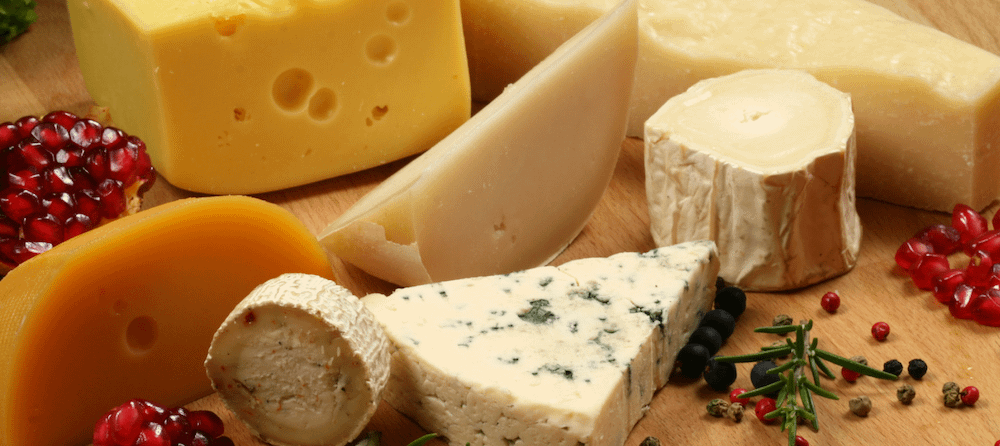
Can Cats Eat Cheese? | pawswing

How to Feed Cheese to Cats?

Dr. Bayazit has provided authoritative and pet-safe feeding guidelines for giving cheese to cats, standardizing portion control, feeding frequency, and applicable scenarios for cat owners. Below are Dr. Bayazit's recommendations for feeding cheese to cats:

Safe Cheese Portion and Frequency

After confirming your cat has no lactose intolerance or adverse reactions to cheese, a portion equivalent to one small cheese cube is safe for occasional feeding. Cheese should only be served as an infrequent reward, never as a daily snack.

In terms of caloric intake, general pet treat rules state that treats can account for 10% of a cat's daily calories. However, due to cheese's high fat and sodium content, cat owners should limit cheese intake to no more than 5% of their cat's daily caloric intake.

To eliminate potential risks, strictly adhere to the following standardized feeding rules:

  • Only feed plain, hard, aged cheeses with no seasonings or additives.
  • Limit servings to tiny bites and never feed cheese regularly to avoid forming dietary habits.
  • Completely avoid cheese for cats with sensitive stomachs, pancreatitis, dairy allergies, or gastrointestinal diseases.
  • Prioritize specialized cat treats over cheese for daily reward feeding.

Appropriate Feeding Scenarios

  • Picky eaters: A tiny sprinkle of plain cheese on regular cat food can effectively encourage finicky cats to eat.
  • Medication administration: Cheese can occasionally be used to conceal oral medication for easier feeding.

Key Principle: Cheese is purely a supplementary treat and must never become a regular or major component of a cat's daily diet.
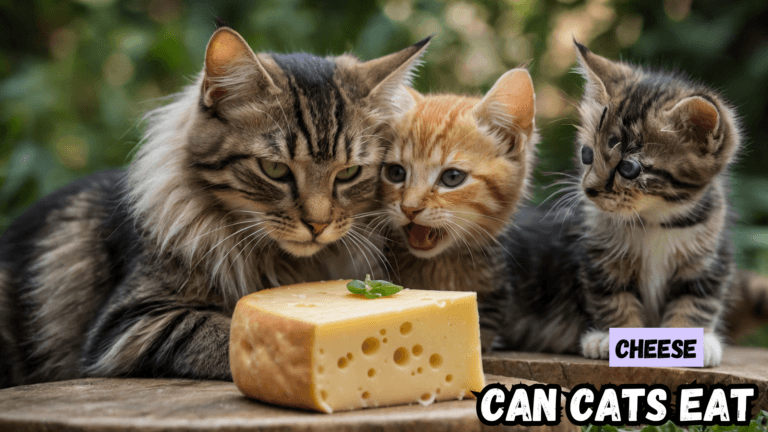
Can Cats Eat Processed Cheese Cheese Outlet Eat Is Cheese Poisonous For Cats  Can Cats Eat

PawSwing®

🐾 PawSwing® Self-Grooming Cat House

PawSwing® Neo revolutionizes pet care with the world's first automatic bionic grooming technology. 

View Now

Why Do Cats Love Cheese?

Pre-Feeding Professional Advice

It is strongly recommended to consult your veterinarian before feeding cheese to your cat. A professional vet can evaluate your cat's physical condition, digestive tolerance, and underlying health issues to confirm whether cheese is suitable and determine the exact safe portion.

Safe vs. Harmful Cheese Types for Cats

Lactose content, aging process, additives, and manufacturing methods directly determine whether cheese is suitable for feline consumption. Below is a categorized professional assessment of common cheese varieties.

Safest Cheese Options – Low Lactose, Cat-Friendly

Hard, aged cheeses undergo natural fermentation that significantly reduces lactose levels, minimizing the risk of gastrointestinal discomfort in cats.

  • Goat Cheese: The safest option among all cheeses with the lowest lactose content. Note: Excessive intake still causes digestive irritation, so strict portion control is essential.
  • Cheddar Cheese: A widely available semi-hard aged cheese with minimal lactose. Small servings are safe, but large portions can cause stomach upset.
  • Swiss Cheese: High in protein, low in salt and fat, and also low in lactose. However, it still carries minor digestive risks for cats with sensitive stomachs.
  • Parmesan Cheese: A fully aged hard cheese with nearly negligible lactose content, suitable for tiny occasional treats.

Strictly Forbidden Cheese Types – High Risk/Toxic

  • Soft Fresh Cheeses: Mozzarella, cottage cheese, cream cheese, and brie. These cheeses have high residual lactose levels, easily causing diarrhea and indigestion in lactose-intolerant cats.
  • Moldy Cheeses: Blue cheese, Stilton, and feta. They contain penicillium mold, which is toxic to felines and may cause poisoning and digestive system damage.
  • Flavored & Additive-Containing Cheeses: Any cheese mixed with garlic, onions, or other seasonings. Garlic and onions are toxic to cats, causing red blood cell damage.
  • Processed Commercial Cheeses: American cheese and similar processed products. They are loaded with excessive salt, artificial additives, and preservatives, which burden cats' kidneys and digestive systems.
  • Non-Dairy Vegan Cheeses: While lactose-free, they are highly processed with high salt and fat content, unsuitable for feline metabolism and harmful to long-term health.


Emergency Response and Post-Feeding Care

If your cat develops diarrhea, vomiting, lethargy, or loss of appetite after eating cheese, stop all cheese feeding immediately. For mild symptoms, suspend all treats and closely monitor your cat's condition. If symptoms persist or worsen, contact your veterinarian promptly for professional treatment.

Fundamental Reminder: Cheese is not an essential food for cats. A balanced, vet-formulated feline diet is always the best choice for maintaining your cat's long-term health.

PawSwing®

🐾 PawSwing® Cat Grooming Tools 

The PawSwing® automatically grooms and collects loose fur every time your cat steps inside. No batteries, no noise—just a happy, shed-free cat.

View Now

Conclusion

This professional guide clarifies that cheese is non-toxic but nutritionally unnecessary for obligate carnivorous cats, who require taurine and animal-based proteins only found in meat. Tiny, occasional servings are tolerable for healthy cats, but regular or excessive intake risks gastrointestinal issues from widespread lactose intolerance, plus high fat and sodium levels.

Safe feeding rules include limiting cheese to ≤5% of daily calories, using it only for picky eaters or medication administration, and avoiding it entirely for cats with sensitive stomachs, pancreatitis or dairy allergies. Hard aged cheeses (goat, cheddar, Swiss, Parmesan) are safest, while soft, moldy, flavored, processed, and vegan cheeses are strictly forbidden.

Consult a vet before feeding, and prioritize vet-formulated cat food and specialized treats for long-term feline health.

Professional Frequently Asked Questions (FAQs)

What common human foods are toxic to cats? 

Common human foods toxic to cats include chocolate, caffeine, garlic, onions, grapes, raisins, alcohol, and xylitol-sweetened products. These can cause poisoning, organ damage, or even death in cats.

What are the typical signs of lactose intolerance in cats? 

Typical symptoms include loose stools, watery diarrhea, bloating, flatulence, vomiting, and mild lethargy within 1–12 hours after consuming dairy products.

What are healthy treat alternatives to cheese for cats?

Safe and healthy alternatives include freeze-dried chicken, freeze-dried fish, specialized cat dental treats, and small amounts of plain cooked lean meat. These foods align with cats' carnivorous dietary needs without imposing additional health burdens.

How much fat and salt is excessive in a cat's daily diet? 

A cat's daily fat intake should not exceed 20–25% of total calories. Excessive salt can lead to kidney strain and hypertension. High-fat, high-sodium human foods like cheese easily exceed feline tolerance standards.

Can kittens digest dairy better than adult cats?  

No. Both kittens and adult cats lack sufficient lactase to digest lactose. Kittens have more fragile digestive systems and are more prone to diarrhea and gastrointestinal inflammation from dairy products. Therefore, feeding cheese to kittens is not recommended.

Yes, cats can eat small amounts of cheese, but only as an occasional treat in tiny portions. As obligate carnivores, cheese offers no real nutritional benefits to them. While cheese is non-toxic to cats, many felines suffer from lactose intolerance, which can lead to stomach upset, vomiting, or diarrhea. Additionally, cheese is high in fat and sodium. This article shares essential information about cheese and cats.

Is Cheese Safe for Cats?

Cheese is non-toxic to cats but provides no nutritional value whatsoever. As obligate carnivores, cats' bodies are biologically engineered to derive nutrients exclusively from animal meat. Cheese cannot supply the essential nutrients (such as taurine and specific animal-based proteins) required to maintain feline health.

While most healthy cats can tolerate tiny, occasional servings of cheese, regular or excessive consumption poses significant health risks. The primary concerns include the widespread prevalence of lactose intolerance in cats, cheese's high fat content, and its excessive sodium levels—all of which can trigger gastrointestinal discomfort, vomiting, and diarrhea in felines.

PawSwing®

🐾 PawSwing® Cat Self Groomer 

The PawSwing® automatically grooms and collects loose fur every time your cat steps inside. No batteries, no noise—just a happy, shed-free cat.

View Now

Why Do Cats Love Cheese?

Cats' fondness for cheese stems from their innate carnivorous biological traits, not the flavor humans perceive.

Feline taste buds are genetically programmed to prioritize fat and meat-based flavors—the primary energy sources for obligate carnivores. Cheese is rich in concentrated animal fat and protein, making it extremely appealing to cats, even though it is not their optimal food source.

A unique feline sensory characteristic explains their food preferences: cats have extremely low sensitivity to sweet tastes. If your cat shows interest in ice cream or other dairy desserts, it is solely attracted to their high fat content, not sugar. Critical Safety Reminder: Chocolate is highly toxic to cats and must be kept completely out of their reach at all times, regardless of its fat content.

Can Cats Eat Cheese? | pawswing

How to Feed Cheese to Cats?

Dr. Bayazit has provided authoritative and pet-safe feeding guidelines for giving cheese to cats, standardizing portion control, feeding frequency, and applicable scenarios for cat owners. Below are Dr. Bayazit's recommendations for feeding cheese to cats:

Safe Cheese Portion and Frequency

After confirming your cat has no lactose intolerance or adverse reactions to cheese, a portion equivalent to one small cheese cube is safe for occasional feeding. Cheese should only be served as an infrequent reward, never as a daily snack.

In terms of caloric intake, general pet treat rules state that treats can account for 10% of a cat's daily calories. However, due to cheese's high fat and sodium content, cat owners should limit cheese intake to no more than 5% of their cat's daily caloric intake.

To eliminate potential risks, strictly adhere to the following standardized feeding rules:

  • Only feed plain, hard, aged cheeses with no seasonings or additives.
  • Limit servings to tiny bites and never feed cheese regularly to avoid forming dietary habits.
  • Completely avoid cheese for cats with sensitive stomachs, pancreatitis, dairy allergies, or gastrointestinal diseases.
  • Prioritize specialized cat treats over cheese for daily reward feeding.

Appropriate Feeding Scenarios

  • Picky eaters: A tiny sprinkle of plain cheese on regular cat food can effectively encourage finicky cats to eat.
  • Medication administration: Cheese can occasionally be used to conceal oral medication for easier feeding.

Key Principle: Cheese is purely a supplementary treat and must never become a regular or major component of a cat's daily diet.

Can Cats Eat Processed Cheese Cheese Outlet Eat Is Cheese Poisonous For Cats  Can Cats Eat

PawSwing®

🐾 PawSwing® Self-Grooming Cat House

PawSwing® Neo revolutionizes pet care with the world's first automatic bionic grooming technology. 

View Now

Why Do Cats Love Cheese?

Pre-Feeding Professional Advice

It is strongly recommended to consult your veterinarian before feeding cheese to your cat. A professional vet can evaluate your cat's physical condition, digestive tolerance, and underlying health issues to confirm whether cheese is suitable and determine the exact safe portion.

Safe vs. Harmful Cheese Types for Cats

Lactose content, aging process, additives, and manufacturing methods directly determine whether cheese is suitable for feline consumption. Below is a categorized professional assessment of common cheese varieties.

Safest Cheese Options – Low Lactose, Cat-Friendly

Hard, aged cheeses undergo natural fermentation that significantly reduces lactose levels, minimizing the risk of gastrointestinal discomfort in cats.

  • Goat Cheese: The safest option among all cheeses with the lowest lactose content. Note: Excessive intake still causes digestive irritation, so strict portion control is essential.
  • Cheddar Cheese: A widely available semi-hard aged cheese with minimal lactose. Small servings are safe, but large portions can cause stomach upset.
  • Swiss Cheese: High in protein, low in salt and fat, and also low in lactose. However, it still carries minor digestive risks for cats with sensitive stomachs.
  • Parmesan Cheese: A fully aged hard cheese with nearly negligible lactose content, suitable for tiny occasional treats.

Strictly Forbidden Cheese Types – High Risk/Toxic

  • Soft Fresh Cheeses: Mozzarella, cottage cheese, cream cheese, and brie. These cheeses have high residual lactose levels, easily causing diarrhea and indigestion in lactose-intolerant cats.
  • Moldy Cheeses: Blue cheese, Stilton, and feta. They contain penicillium mold, which is toxic to felines and may cause poisoning and digestive system damage.
  • Flavored & Additive-Containing Cheeses: Any cheese mixed with garlic, onions, or other seasonings. Garlic and onions are toxic to cats, causing red blood cell damage.
  • Processed Commercial Cheeses: American cheese and similar processed products. They are loaded with excessive salt, artificial additives, and preservatives, which burden cats' kidneys and digestive systems.
  • Non-Dairy Vegan Cheeses: While lactose-free, they are highly processed with high salt and fat content, unsuitable for feline metabolism and harmful to long-term health.


Emergency Response and Post-Feeding Care

If your cat develops diarrhea, vomiting, lethargy, or loss of appetite after eating cheese, stop all cheese feeding immediately. For mild symptoms, suspend all treats and closely monitor your cat's condition. If symptoms persist or worsen, contact your veterinarian promptly for professional treatment.

Fundamental Reminder: Cheese is not an essential food for cats. A balanced, vet-formulated feline diet is always the best choice for maintaining your cat's long-term health.

PawSwing®

🐾 PawSwing® Cat Grooming Tools 

The PawSwing® automatically grooms and collects loose fur every time your cat steps inside. No batteries, no noise—just a happy, shed-free cat.

View Now

Conclusion

This professional guide clarifies that cheese is non-toxic but nutritionally unnecessary for obligate carnivorous cats, who require taurine and animal-based proteins only found in meat. Tiny, occasional servings are tolerable for healthy cats, but regular or excessive intake risks gastrointestinal issues from widespread lactose intolerance, plus high fat and sodium levels.

Safe feeding rules include limiting cheese to ≤5% of daily calories, using it only for picky eaters or medication administration, and avoiding it entirely for cats with sensitive stomachs, pancreatitis or dairy allergies. Hard aged cheeses (goat, cheddar, Swiss, Parmesan) are safest, while soft, moldy, flavored, processed, and vegan cheeses are strictly forbidden.

Consult a vet before feeding, and prioritize vet-formulated cat food and specialized treats for long-term feline health.

Professional Frequently Asked Questions (FAQs)

What common human foods are toxic to cats? 

Common human foods toxic to cats include chocolate, caffeine, garlic, onions, grapes, raisins, alcohol, and xylitol-sweetened products. These can cause poisoning, organ damage, or even death in cats.

What are the typical signs of lactose intolerance in cats? 

Typical symptoms include loose stools, watery diarrhea, bloating, flatulence, vomiting, and mild lethargy within 1–12 hours after consuming dairy products.

What are healthy treat alternatives to cheese for cats?

Safe and healthy alternatives include freeze-dried chicken, freeze-dried fish, specialized cat dental treats, and small amounts of plain cooked lean meat. These foods align with cats' carnivorous dietary needs without imposing additional health burdens.

How much fat and salt is excessive in a cat's daily diet? 

A cat's daily fat intake should not exceed 20–25% of total calories. Excessive salt can lead to kidney strain and hypertension. High-fat, high-sodium human foods like cheese easily exceed feline tolerance standards.

Can kittens digest dairy better than adult cats?  

No. Both kittens and adult cats lack sufficient lactase to digest lactose. Kittens have more fragile digestive systems and are more prone to diarrhea and gastrointestinal inflammation from dairy products. Therefore, feeding cheese to kittens is not recommended.

Related Post