If you've recently noticed more fur around your home, you're probably wondering when cats start shedding and whether it's something to worry about.
Most kittens begin their first noticeable shedding between 4 and 6 months of age. During this stage, their soft baby coat gradually gives way to a thicker adult coat. After that, healthy adult cats continue to shed throughout their lives, with heavier shedding usually occurring in spring and fall. Indoor cats, however, often shed more evenly throughout the year because artificial lighting and climate-controlled homes reduce natural seasonal changes.
For most cats, shedding is completely normal. Understanding when it starts, why it happens, and how to manage it helps you keep your cat comfortable while keeping loose fur under control.
Why Do Cats Shed?
Shedding is one of the most natural parts of a cat's life. Every hair on a cat's body follows its own growth cycle. As old hairs reach the end of that cycle, they fall out so new, healthier hairs can grow in their place.
This process helps cats:
- Maintain a healthy coat
- Remove damaged or dead hairs
- Regulate body temperature
- Adapt to changing seasons
- Spread natural skin oils throughout the coat
Although every cat sheds, how much they shed depends on several factors, including age, breed, health, environment, nutrition, and daylight exposure.
Unlike humans, whose hair grows continuously, a cat's coat constantly renews itself. That's why finding fur on your furniture doesn't automatically mean something is wrong.

When Do Kittens Start Shedding?
Many people search:
- When do kittens lose their baby fur?
- When do cats lose their kitten fur?
- When do kittens get their adult coat?
One of the most common questions new cat owners ask is: When do kittens start shedding?
These questions all refer to the same natural developmental stage.
Rather than losing their baby fur overnight, kittens go through a gradual transition that can last several months. During this period, you'll often notice patches where softer fur mixes with newer adult hair, making the coat appear uneven.
This process happens because different hair follicles enter new growth cycles at different times.
The first significant shedding usually begins between four and six months old.
Before this stage, kittens have an extremely soft "baby coat." This fluffy fur helps keep young kittens warm but isn't their permanent adult coat.
As your kitten grows, hormones and natural development trigger a complete coat transition. The baby fur slowly falls out while stronger adult hairs grow underneath.
Most kittens complete this transition before their first birthday, although large long-haired breeds such as Maine Coons and Norwegian Forest Cats may continue developing their full coats until they are 12 to 18 months old.
Kitten Coat Development Timeline
| Age | Coat Development | Shedding Level |
|---|---|---|
| Birth–3 months | Soft baby coat | Very Low |
| 4–6 months | First noticeable shedding begins | Moderate |
| 6–12 months | Adult coat replaces baby fur | High |
| 12+ months | Mature adult coat | Seasonal |
During this transition, it's completely normal to notice:
- More loose hairs on blankets and furniture
- Extra fur after petting your kitten
- Increased brushing results
- A slightly rougher or denser coat texture
As long as your kitten has healthy skin without bald patches, redness, or irritation, this shedding is simply part of growing up.

When Do Adult Cats Shed the Most?
After kittens develop their adult coats, shedding follows a completely different pattern.
Instead of shedding because they're growing, adult cats mainly shed to adapt to seasonal changes.
For outdoor cats and those exposed to natural daylight, there are two major shedding periods every year.
Spring Shedding
Spring is usually the heaviest shedding season.
As daylight becomes longer, cats naturally lose the thick winter undercoat that kept them warm during colder months.
During this period, you may notice:
- Hair accumulating around the house
- Brushes filling much faster than usual
- More hairballs
- Loose clumps of undercoat
This heavy shed usually lasts several weeks before slowing down.
Fall Shedding
During late summer and early autumn, the opposite happens.
Cats gradually replace their lighter summer coat with a thicker winter coat.
Although many owners think only spring causes shedding, autumn is equally important because old summer hairs must fall out before the winter coat can fully develop.
Indoor Cats vs. Outdoor Cats: Why Shedding Looks Different
Many owners assume outdoor cats shed more because they spend time outside.
In reality, indoor cats often shed just as much—but in a different pattern.
Outdoor cats respond strongly to natural daylight, so they usually experience two distinct shedding seasons:
- Spring: lose the heavy winter coat.
- Fall: replace the light summer coat with a warmer winter coat.
Indoor cats live under artificial lighting, heating, and air conditioning. Artificial lighting, heating systems during winter, and air conditioning during summer all reduce the natural effect of changing daylight hours.
As a result, many indoor cats don't have two dramatic shedding seasons. Instead, they lose small amounts of fur continuously throughout the year.
This explains why apartment cats often leave fur on sofas, clothing, and bedding every month, even when the weather outside barely changes.
Typical U.S. Examples
- Northern states (Minnesota, Michigan, New York): Outdoor cats usually have noticeable spring and fall shedding cycles.
- Southern states (Texas, Florida, Arizona): Seasonal changes are milder, so outdoor cats may shed more evenly.
- Indoor apartments with central heating and AC: Many cats shed consistently throughout all twelve months.
This explains why many owners feel like their cat is "always shedding," even though the pattern is completely normal.
Do Some Cat Breeds Shed More Than Others?
Yes. Although every cat sheds to some extent, genetics play a major role in how much loose hair you'll see around your home.
Long-haired breeds usually have thicker undercoats and longer guard hairs, meaning they naturally release more fur throughout the year—especially during seasonal coat changes.
Common Cat Breeds and Their Shedding Levels
| Breed | Shedding Level | Coat Type |
|---|---|---|
| Maine Coon | Very High | Long, dense double coat |
| Persian | Very High | Long, thick coat |
| Norwegian Forest Cat | High | Water-resistant double coat |
| Ragdoll | Moderate–High | Semi-long coat |
| British Shorthair | Moderate | Dense plush coat |
| Domestic Shorthair | Moderate | Short single coat |
| Siamese | Low–Moderate | Fine short coat |
| Devon Rex | Low | Curly coat |
| Cornish Rex | Low | Soft single coat |
| Sphynx | Almost None | Hairless |
Even low-shedding breeds still lose hair as part of their normal growth cycle. The difference is simply how much loose fur becomes visible around the house.
Normal Shedding vs. Excessive Hair Loss
Loose fur on the couch is expected.
Large bald patches are not.
Knowing the difference can help you recognize when it's time to visit your veterinarian.
Normal Shedding
Healthy shedding usually includes:
- Even hair loss across the body
- Healthy skin without redness
- No itching or excessive scratching
- No open sores
- Normal appetite and energy levels
Your cat should still have a full, healthy-looking coat.
When Should You Worry?
Schedule a veterinary examination if you notice:
- Bald patches
- Fur falling out in clumps
- Red, flaky, or inflamed skin
- Constant licking or chewing
- Sudden increase in shedding
- Weight loss
- Poor appetite
- Changes in drinking or urination
These signs may indicate:
- Fleas
- Mites
- Ringworm
- Food allergies
- Environmental allergies
- Hormonal disorders such as hyperthyroidism
- Stress-related overgrooming
- Nutritional deficiencies
Early diagnosis usually makes treatment much easier.

How to Reduce Cat Shedding Naturally
You can't stop normal shedding—but you can dramatically reduce the amount of loose hair that ends up on your furniture.
1. Brush Regularly
Brushing removes loose fur before your cat swallows it during grooming.
General recommendations:
- Short-haired cats: 2–3 times per week
- Long-haired cats: Daily during heavy shedding seasons
Regular brushing also helps reduce hairballs.
2. Feed a High-Quality Diet
Healthy skin produces healthier fur.
Choose foods rich in:
- Animal protein
- Omega-3 fatty acids
- Omega-6 fatty acids
- Vitamin E
- Zinc
Poor nutrition often leads to dry skin and increased shedding.
3. Encourage Better Hydration
Proper hydration supports skin health.
Many cats drink more water when using:
- Cat water fountains
- Wet food
- Multiple water bowls throughout the house
Healthy skin means healthier hair follicles.
4. Keep Stress Low
Stress can trigger excessive grooming.
Major life changes—including moving house, introducing another pet, or changes in routine—may cause some cats to overgroom and lose more fur.
Providing consistent routines, enrichment, and safe resting spaces helps reduce stress-related shedding.

Make Daily Grooming Easier with PawSwing
During shedding season, the biggest challenge isn't stopping hair growth—it's managing loose fur before it spreads throughout your home.
Many cats naturally rub against furniture, table legs, or door frames because they enjoy the gentle brushing sensation. A self-grooming station builds on this instinct by allowing cats to remove loose hair whenever they choose, even when you're not holding a brush.
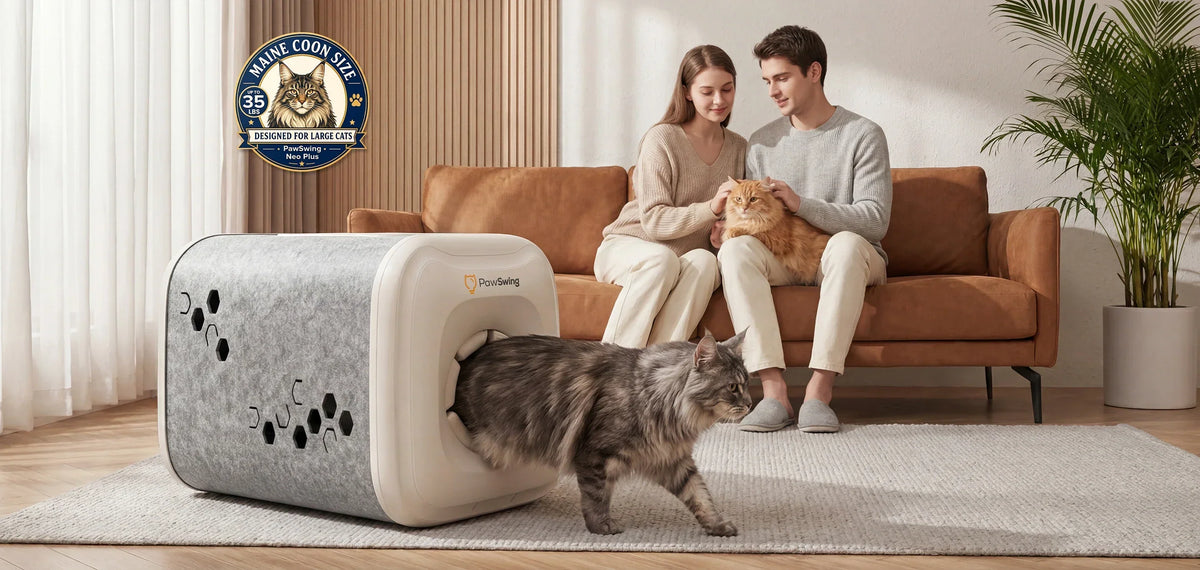
The PawSwing self-grooming cat house is designed around this natural behavior. As cats walk through the grooming arch, soft silicone bristles help lift loose hairs from the coat without pulling healthy fur. Instead of replacing traditional brushing, it works alongside your regular grooming routine by collecting loose hair throughout the day.
For households with multiple cats or breeds that shed heavily during spring and fall, this kind of passive self-grooming can help:
- Capture loose hair before it spreads around the house
- Reduce the amount of fur swallowed during self-grooming
- Support a cleaner home between brushing sessions
- Encourage cats that dislike being brushed by hand
Because cats choose when to use it, grooming becomes part of their daily routine rather than a stressful event.
Conclusion
If you've been wondering when do cats start shedding, the answer is reassuring: shedding is a normal part of every cat's life. Most kittens experience their first noticeable coat transition between 4 and 6 months of age, while adult cats continue shedding throughout the year, with seasonal peaks in spring and fall.
Rather than trying to stop shedding altogether, focus on building a consistent grooming routine that matches your cat's age, breed, and lifestyle. Regular brushing, good nutrition, and a low-stress environment all contribute to a healthier coat. For cats that enjoy rubbing and self-grooming, adding a passive grooming solution like PawSwing can make daily fur management easier while helping keep loose hair off your furniture and out of your cat's digestive system.
Understanding your cat's natural shedding cycle allows you to recognize what is normal, identify potential health concerns early, and keep both your home and your feline companion more comfortable throughout the year.
Frequently Asked Questions
When do cats start shedding?
Most kittens begin their first noticeable shedding between 4 and 6 months of age as their soft baby coat transitions into an adult coat.
When do kittens lose their baby fur?
Usually between 4 and 8 months, although long-haired breeds may continue developing their adult coat until around one year of age.
When do kittens get their adult coat?
Most cats have a mature adult coat by 10–12 months, while larger breeds such as Maine Coons may take longer.
Do kittens shed less than adult cats?
Yes. Young kittens shed very little during their first few months of life. Shedding becomes much more noticeable during the baby-coat transition.
Do indoor cats shed all year?
Yes. Indoor cats often shed continuously because artificial lighting and climate-controlled homes reduce the natural seasonal shedding cycle.
Why is my cat shedding so much in spring?
Longer daylight hours trigger cats to lose their thick winter undercoat, making spring the heaviest shedding season for many breeds.
Can I stop my cat from shedding?
No. Shedding is a healthy biological process. However, regular brushing, balanced nutrition, proper hydration, and daily self-grooming can significantly reduce the amount of loose fur around your home.